Four species, two seasons
- Leatherback, tinglar
The giant. Nests at night from late February or March through July, lays 70 to 100 eggs at a time and comes back every 8 to 12 days to do it again, up to nine nests a season. Puerto Rico, Florida and the Virgin Islands are where it nests in the United States. NOAA: leatherback
- Hawksbill, carey
The reef turtle with the beaked face and the shell that was once "tortoiseshell." Nests August through December, peaking in September and October. In 2025 Puerto Rico counted 1,913 hawksbill nests, 957 of them on Mona Island, the largest concentration in the country. Metro PR, October 2025
- Green, peje blanco
The one you see grazing seagrass when you snorkel. Culebra, Vieques, Fajardo and the San Juan reefs.
- Loggerhead
Rare here. NOAA: protected species in Puerto Rico
Where they nest
Leatherbacks nest on open, deep-sand Atlantic beaches with no reef in the way, which is why the list overlaps with the rip current list. The DRNA census counted about 1,480 nests across the island in 2023, with Añasco the single busiest town at 235, and the first nests of each year arrive in late February in Arecibo, Luquillo and Fajardo. Metro PR, March 2025
- Luquillo and Fajardo
The beach beside downtown Luquillo and the seven miles of wild coast east of it toward Fajardo. Guarded by the Tortugueros del CEN; the town's Festival del Tinglar, 18 years old in 2026, fills the plaza in April. Festival del Tinglar 2026
- Culebra and Vieques
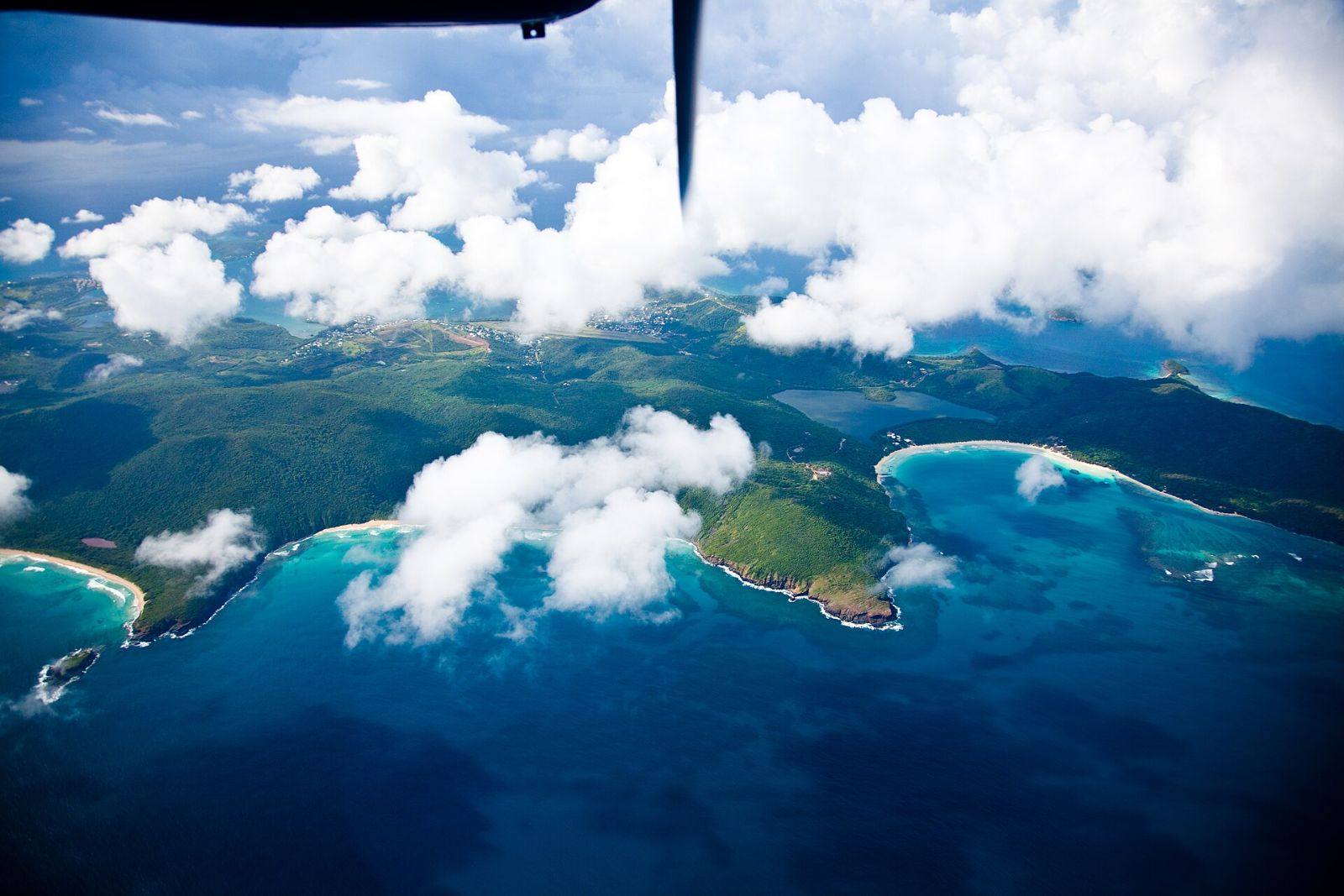
Named with Fajardo as the island's most important leatherback beaches. Culebra's nesting beaches close at night in season.
- Dorado
The best known nesting beach on the metro side, patrolled by Chelonia's Proyecto Tinglar on weekends.
- San Juan
Yes, the hotel beaches. Eighteen nests in 2026 and a record 34 in 2015, guarded by the 7 Quillas group, which also runs the dusk releases. In 2026 a nesting female at Ocean Park gave up and went back to sea after visitors crowded her with phones. EFE, July 2026
- Maunabo, Yabucoa, Patillas
ATMAR has guarded these beaches since 2001; Hurricane Beryl's swell wiped out most of the 2024 nests there.
- Añasco, Arecibo, Isabela
Añasco's long beach leads the island's count; Arecibo's Playa Abacoa logs the first nest most years; Isabela's Middles is where the dune restoration is.
- Mona Island
Half the island's hawksbill nests, on a reserve you need a DRNA permit to visit. On the treasure page.

Hatchling nights
Eggs hatch 55 to 60 days after they are laid, and the hatchlings take about three days to dig their way up. When a nest breaks the surface in daylight, the volunteers hold the hatchlings and release them at dusk once the beach empties: a rope perimeter at the waterline, a talk through a megaphone about the rules, children allowed to help dig the channel down to the sea, and then a hundred palm-sized turtles scrambling for the surf. At Ocean Park in late June 2026 that is exactly what happened. Follow 7 Quillas, Tortugueros del CEN or ATMAR on social media in May through August; releases are announced the same day. Primera Hora, July 2026
If you find hatchlings on your own, clear chairs, holes and umbrellas from their path, keep every light off, and let them walk. They need the crawl; it is how they imprint on the beach. Do not carry them to the water and do not put them in a bucket. One in a thousand makes it to adulthood, and the ones you help wrong are the ones that do not.
Where to swim with them
- Tamarindo and Carlos Rosario, Culebra
Green turtles graze the seagrass off the far left of Tamarindo most days; Carlos Rosario, a 20-minute walk past Flamenco, has the reef. Water shoes for the rocky entry. Discover Puerto Rico: snorkeling
- Escambrón, San Juan
Three or four species on a good day, hawksbill and green among them, ten minutes from Old San Juan. Guided turtle snorkels leave from the beach. Stay inside the reef; see the rip page.
- La Cordillera, Fajardo
Turtles in the seagrass around the cays, sometimes with manatees. On the tours page.
- Vieques
Turtles and nurse sharks on the reefs off the south-side beaches.
- Shacks, Isabela
Turtles and the occasional manatee in the reef lagoon, summer only.
The rule in the water is the federal one: stay 50 yards from a turtle, do not chase, touch, ride, feed or take a selfie with one, and let it come up to breathe. Every sea turtle in US waters is a listed species and the fines are federal. NOAA: viewing distances
The rules on the sand
The law is Puerto Rico's wildlife act, Ley 241 of 1999: harming, disturbing or trading a turtle or its eggs carries fines up to $50,000 and jail, on top of the federal Endangered Species Act. Metro PR on the law and the first nests
Join a patrol
Fourteen volunteer groups walk the island's nesting beaches at night. Most will take a visitor who asks ahead and shows up sober with a red light.
- CORALations, Culebra
The one with a published visitor program: groups up to ten, no children under ten, a suggested $10 donation a night, and you must be staying on Culebra. Their pages are old; email first. CORALations turtle project
- 7 Quillas, San Juan
Nest guarding, the dusk releases and monthly cleanups on the hotel beaches.
- Tortugueros del CEN, Luquillo and Fajardo
The February "Abrazo al Corredor" cleanup at La Pared opens the season.
- ATMAR, Maunabo
The southeast's patrols; Maunabo's lighthouse beach is the heart of it. El Nuevo Día on ATMAR
- Chelonia, Dorado
Playa Grande El Paraíso; the same group co-runs the Mona hawksbill census.
What is killing them
Lights, dogs, cars, hooks and crowds, more than anything exotic. A nesting hawksbill wandered onto PR-2 in Ponce in November 2025 and was run over, the third turtle killed on that stretch. A leatherback died off Dorado in 2025 with a fishing hook in it; another had to be cut out of a line of buoys at Añasco. Storm swell took most of the southeast's nests in 2024. And every season the volunteers spend their nights telling people to turn their phones off. Metro PR, November 2025
Swimming safely on the same beaches: the rip currents page. All the beaches: beaches.