The number
The National Weather Service keeps a national list of surf zone deaths. Through October 29, 2026, it holds 59 entries for the whole United States, and 19 of them are in Puerto Rico: 16 rip currents and 3 high surf. In 2025 it was 11 of 99. The island's forensic institute counted 46 drownings in all of 2025 and 26 by the first week of June 2026, and the tourism company's safety campaign says visitors make up about seven in ten of the dead. The most common story in those entries is a mainland visitor, on a north coast beach, on a sunny day. NWS: surf zone fatalities, 2026 Metro PR, June 2026
Where it happens
Almost every death is on the north and west coasts, which face the open Atlantic. The south coast is the Caribbean and the water is a different animal. The 2026 entries, with the places that repeat:
- Cueva del Indio and Cueva de las Golondrinas, Arecibo
Rocks and blowholes where people stand to watch the surf. Two tourists swept off the rocks on February 9; three men from a church group on Mother's Day, May 10, one knocked down by a wave and two who went in after him. This is a place to look from well back, not a place to swim. Primera Hora, May 2026
- La Poza de las Mujeres and Mar Chiquita, Manatí
Rock-rimmed pools that photograph like swimming holes and fill from the open Atlantic. Two women from Michigan, 22 and 23, died at Poza de las Mujeres on March 18, 2026, and a 24-year-old was thrown against the rock there on April 2. Metro PR, March 2026
- Condado and Ocean Park, San Juan
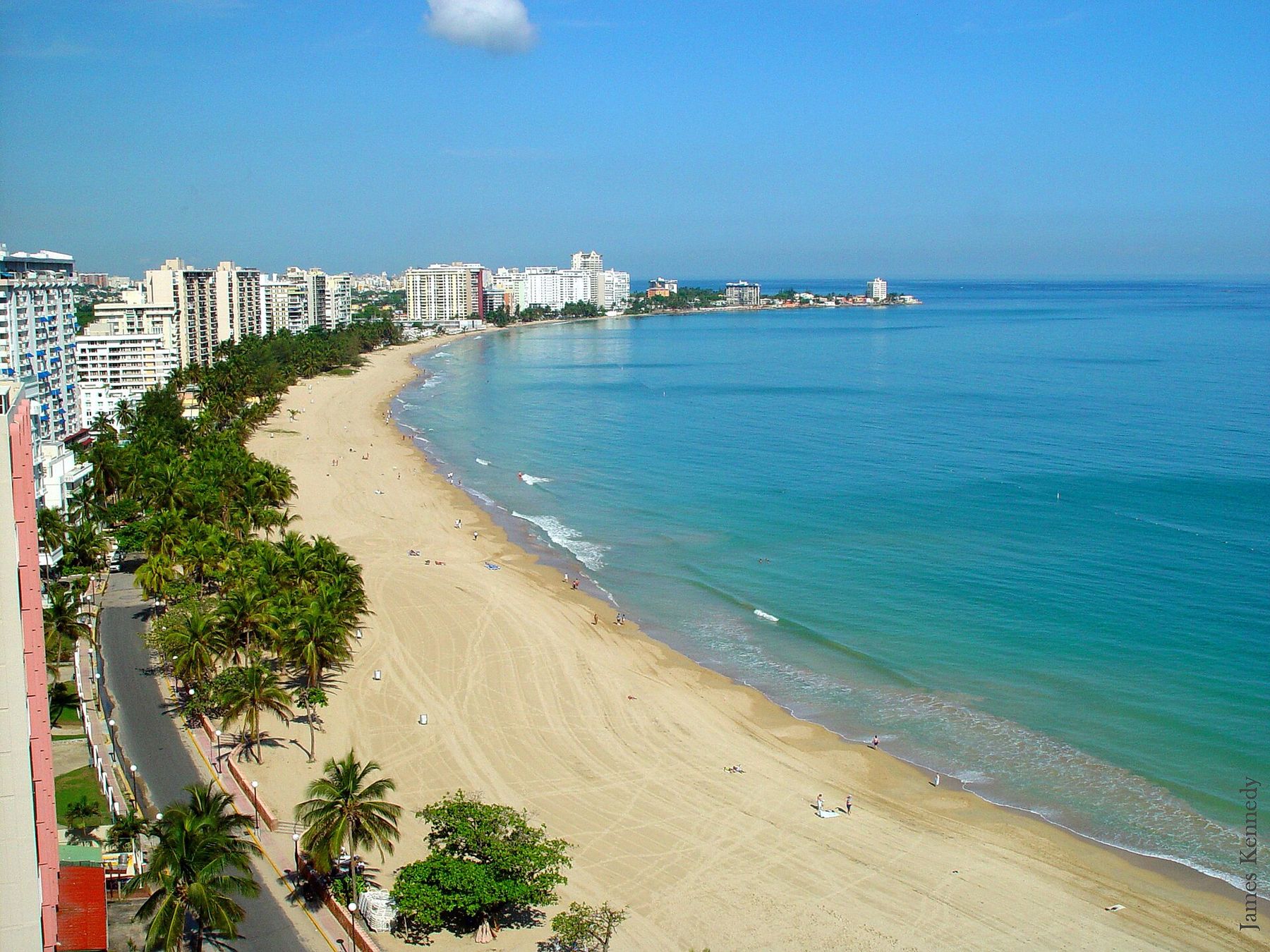
The hotel beaches. No reef, a steep drop, and a rip that runs behind the Vanderbilt and in front of La Concha. On March 18 three visitors were swept out at once; the municipal rescue craft got two back. Swim at Escambrón or the Condado lagoon instead.
- Luquillo: La Pared and Playa Azul
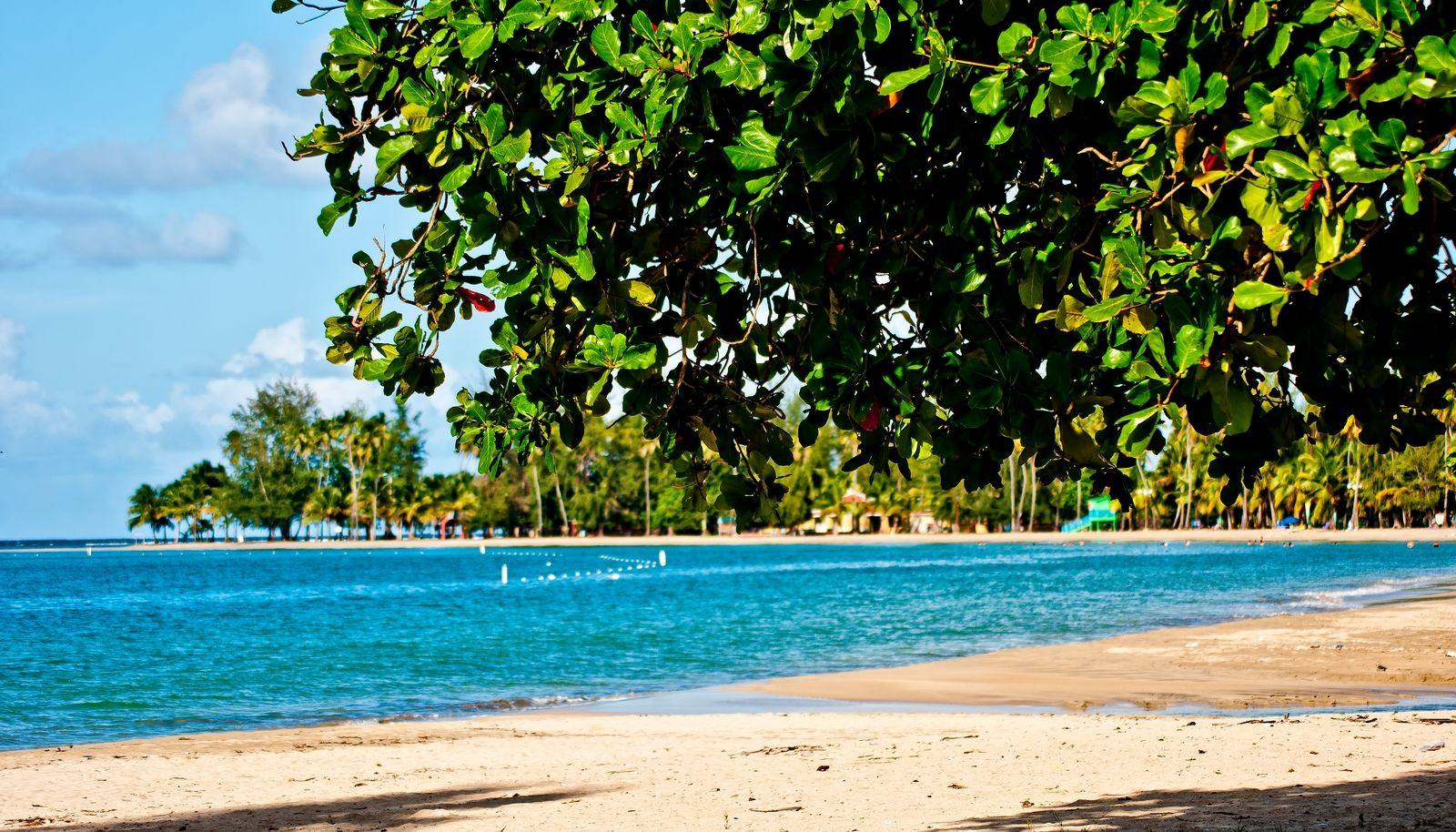
The surf beach beside the town and the strip of sand in front of the condos. Five minutes away, Balneario La Monserrate sits inside a reef with lifeguards and swim-zone buoys. Walk the extra five minutes.
- Isla Verde and Puerta de Tierra
The airport beach and the strip below the Capitol. Both open Atlantic.
- Rincón, Isabela, Loíza, Dorado, Vega Baja, Barceloneta, Culebra's Flamenco, Vieques' Punta Arenas
Flamenco, the calmest-looking beach on the island, took a 67-year-old in March 2025. Calm is not the test.
Escambrón, the reef-protected beach between Old San Juan and Condado, is on the list too: a 70-year-old New Yorker died there in March 2026 while snorkeling. Protected water lowers the risk; it does not remove it. Metro PR, March 2026
Why the north coast
The north shore takes swells that start off Canada and Europe with nothing in between. A long-period swell arrives under blue sky, days after the storm that made it; the one from Hurricane Erin in August 2025 built 11-foot breakers and killed three people in a day while the sun shone. Where that water comes over a reef or a sandbar it has to get back out, and the channel it cuts is the rip: a river running away from the beach, often the smoothest-looking stretch of water you can see. Winter and spring bring the biggest swells; 15 of the 19 deaths in 2026 came between January and May. El Nuevo Día, August 2025
Read the forecast before you pick a beach
- NWS San Juan surf zone forecast
Twelve zones around the island and the islands, each with a rip current risk of Low, Moderate or High and a surf height. The definitions are plain: Moderate means life-threatening rips are possible, High means they are likely, and Low still warns about inlets, jetties, reefs and piers. On October 28, 2026 the San Juan zone was High with six-foot surf. NWS San Juan: beach forecast
- Swim Safe PR
The tourism company's beach-by-beach view of the same data, with a yellow flag for moderate currents and red for high, wind, surf, tides and text alerts. New signs with the flag system went up at Mar Chiquita, Isla Verde and Condado in late 2025, and the legislature passed a bill in April 2026 requiring hotels and short-term rentals to post beach warnings. Primera Hora, June 2026
- Closures
Holy Week 2026, with 10 to 14 foot waves, every north coast balneario closed. The DRNA secretary's line: the sea does not recognize whether the parking lot is open. If a staffed beach is closed, the unstaffed one next to it is worse. Primera Hora, April 2026
Where the lifeguards are
Almost nowhere. DRNA employs about two dozen lifeguards across its balnearios, with the largest crew at La Monserrate in Luquillo and Cerro Gordo in Vega Alta; the Condado tourist strip has a private contractor. Most beaches, including Isla Verde and Ocean Park, have nobody. Since 2025 La Monserrate and Seven Seas have buoys marking the swim zone, the first 150 feet from shore, and since March 2026 remote-control rescue floats sit at La Monserrate, Dorado, Cerro Gordo and Caña Gorda. The staffed beaches, with the lifeguard stand, are the safer choice by a wide margin: Metro PR on lifeguard staffing
| Beach | Where | Why |
|---|---|---|
| Balneario La Monserrate | Luquillo | Reef, lifeguards, swim buoys, rescue craft |
| Balneario El Escambrón | San Juan | Reef-protected cove; still, swim inside it |
| Seven Seas | Fajardo | Sheltered bay, swim buoys |
| Cerro Gordo | Vega Alta | Lifeguards, rescue craft; closes in big surf |
| Boquerón, Buyé, Combate | Cabo Rojo | The southwest: Caribbean water, no Atlantic swell |
| Sun Bay | Vieques | Lifeguards and a south-facing bay |
| Flamenco | Culebra | Lifeguards and a bay, but it has killed; stay near the stand |
The full list, with facilities and parking, is on the family beaches page.
How to spot a rip
Stand on the sand for a few minutes before you go in, ideally from a dune, a seawall or anywhere higher than the beach. Polarized sunglasses help. Look for:
- A gap in the breaking waves. A stretch where the waves are not breaking, between stretches where they are. It is the calmest-looking water on the beach, and it is the rip.
- A channel of choppy, churning water running out from the shore.
- Water a different color than the water on either side, darker or sandier.
- Foam, seaweed or debris moving steadily out to sea instead of washing in.
Rips are hard to see from inside the water and easy to miss when sargassum is on the surface. NWS: how to spot a rip current
If it takes you
The National Weather Service's wording, because every one of these sentences is a life:
- Rips pull you out, not under. You are not going to be dragged down. You are going to be carried away from the beach, and that is survivable.
- Do not swim against it. Swimming straight back to the beach against a rip is too hard for anyone, including surfers and lifeguards. That is how people tire and go under.
- Float. Stay calm, float or tread water gently, even as it carries you farther out. Most rips slow and stop a short way past the breakers.
- Swim sideways. When you can, swim parallel to the beach until the pull stops, then angle back toward the sand away from the rip.
- If you cannot get out, face the beach, wave both arms and yell.
NWS: break the grip of the rip
Other things in the water
- Rocks and blowholes. Cueva del Indio, Poza de las Mujeres, Mar Chiquita and Playa Peña Blanca in Aguadilla have all killed people standing where the waves could reach them. Wet rock means the sea gets there.
- Jellyfish and the Portuguese man o' war blow in on summer and hurricane-season winds, mostly on north and east beaches. A sting hurts for hours; see a doctor for fever or an allergic reaction.
- Sharks are not the problem. Puerto Rico has seven recorded attacks and two deaths, the last in 1924; the one modern bite, in 2011, was a night swimmer in Mosquito Bay.
- Lightning. Six people in the water at Seven Seas were struck on a July afternoon in 2025. Afternoon storms build fast; when you hear it, get out.
- Snorkeling tires people who do not realize it. Escambrón's death in March 2026 was a snorkeler. Stay inside the reef and near the stairs.
Numbers to have
- 911 for anything in the water.
- Coast Guard Sector San Juan, 24-hour emergency line 833-453-1267.
- DRNA rangers (Cuerpo de Vigilantes), 787-999-2200 ext. 2910 or 2911.
The rest of the island's beaches, by what they are good for: beaches, family beaches, secluded beaches.