What you can keep, in one table
| You find | Who it belongs to | The rule |
|---|---|---|
| Sea glass, empty shells, driftwood | You | No Puerto Rico law covers them. Empty shells only; nothing alive, no coral. Declare wood souvenirs at the airport. |
| Coral, live or dead | Nobody | Taking, keeping for sale or trading coral is banned without a DRNA permit; fines $500 to $10,000. Ley 147 de 1999 |
| A ring or a phone on the beach | Its owner | Lost property goes to the municipal office, which posts notice. Unclaimed after three months, it is yours. If the owner turns up, they owe you a tenth of its value. |
| Hidden coins or jewels with no known owner | Half you, half the landowner | The Civil Code's treasure rule, if you were on the land lawfully and found it by chance. It yields to the heritage laws below the moment the find is historic. Civil Code 2020, arts. 746 to 753 |
| Anything from a shipwreck 50 or more years old | The Commonwealth | Looting, keeping, selling or exporting it is a crime: $500 or six months, a felony the second time, plus administrative fines to $10,000 a day. Ley 10 de 1987 |
| A petroglyph fragment, a cemí, a pottery sherd | The people of Puerto Rico | Surface finds must be reported within 30 days. Taking, buying, selling or carrying one off the island without a written permit is a felony: $5,000 and a three-year term. Photograph it and leave it. Ley 112 de 1988 |
| Gold in a river | The Commonwealth | Minerals are state property under the mining law; the only route is an industrial lease signed by the DRNA secretary and the governor. There is no recreational panning permit. |
Two more things. Federal land has its own rules: metal detectors are banned outright in San Juan National Historic Site, removing anything from El Yunque is an offense, and the Vieques refuge bans "searching for objects of antiquity." On Commonwealth beaches no statute names metal detectors at all; hobbyists report detecting the public beaches without trouble and being turned away from a couple of staffed balnearios. Anything old that comes up still belongs to the island. 36 CFR 2.1 USFWS: Vieques rules
And it is enforced. In 2026 a UPR archaeology student tracked down a 1,400-year-old necklace sold on the black market to a buyer in California; customs seized 28 pre-Columbian stone pieces at the Mayagüez ferry in 2013 and repatriated them; the Institute of Culture signed an agreement with the FBI on cultural-property crime in 2024. Primera Hora, June 2026
Cofresí, the pirate with a statue
Roberto Cofresí was born in Cabo Rojo in 1791 and shot by a firing squad in San Juan on March 29, 1825, at 33, after mass in El Morro's chapel. In between he ran a six-gun sloop, the Anne, out of the Pedernales ward of Cabo Rojo and, from 1823, Mona Island, raiding the Mona Passage and the coast from Fajardo to Vieques. A Spanish and Danish trap backed by an American warship caught him at the mouth of Jobos Bay in March 1825; he ran ashore, was shot in the arm by a militiaman near Patillas, and offered the mayor of Guayama 4,000 pesos for his freedom. The mayor said no. Roberto Cofresí
Cabo Rojo says it was the first town in the Spanish Americas to put up a statue to a pirate: José Buscaglia's bronze at the entrance to the Boquerón balneario, 1991. Rincón's Villa Cofresí hotel has served its "Pirate Special" in a coconut since 1965. And the American Ghost Walks tour through Old San Juan on Friday and Saturday nights tells the version where his ghost comes back every seven years. Cabo Rojo: the Cofresí monument Villa Cofresí
The treasure. Every one of these is legend, and the island has a lot of them: Cofresí's Cave in Pedernales, where nothing has been found; Guaniquilla, also in Cabo Rojo, where small numbers of silver and gold coins reportedly turned up; the caves on Mona called Cueva del Pirata and Cueva Esqueleto; Cayo Pirata off Culebra and Cayo Cofresí off Salinas; the beaches of Guajataca, Puerto Hermina and Sardinera in the northwest, Playitas in Aguadilla where a bull is said to guard the loot, Ojo del Buey in Dorado, Tamarindo del Sur on Vieques, the mouth of the Añasco river. The lore adds that whoever digs it up dies or goes mad. You now know the law well enough to see why the island is happy to leave that as a story. Cofresí in popular culture
Mona Island, the pirates' island
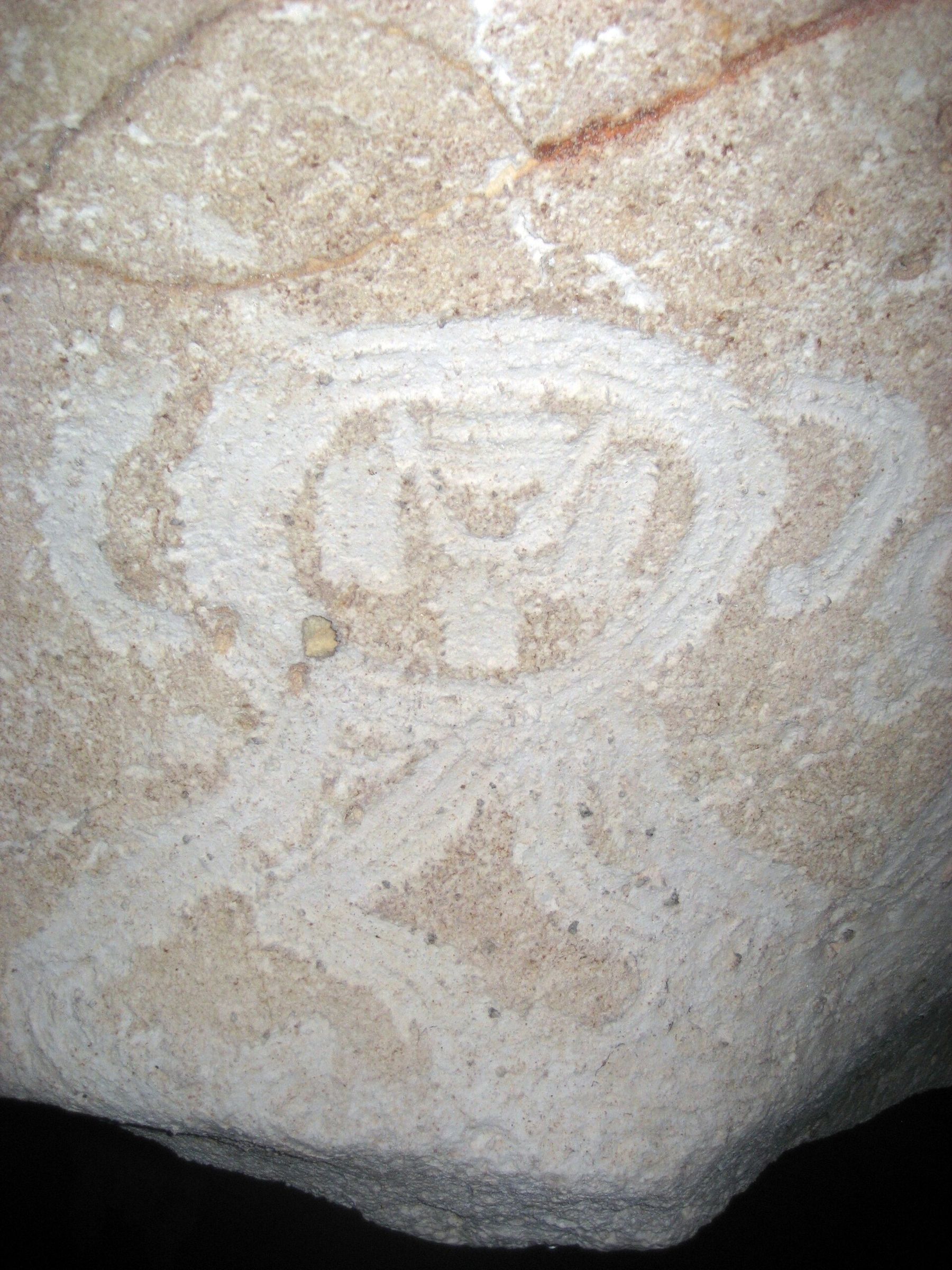
Forty-six miles off the west coast, uninhabited, a limestone tabletop with 200 caves, Taíno pictographs, a 16th-century skeleton found at a cave mouth, and three centuries of pirates who used it to hide, repair and water their ships; Captain Kidd stopped in 1699. Guano was mined from the caves from 1848 to 1927. In 2016 archaeologists published a cave with more than 30 inscriptions, names, dates, Latin phrases and crosses left by 16th-century Europeans beside thousands of indigenous marks. DRNA: Isla de Mona University of Leicester, 2016
You can go, and almost nobody does:
- Permit. Camping only, $10 per person per night, at Playa Sardinera (60 people) or Playa Pájaros (50). Call DRNA at 787-999-2200 ext. 5613 to reserve, then deliver the application and payment to any DRNA office at least five working days ahead. Camping runs roughly May to November; hunting season closes it in winter. DRNA: camping on Mona
- The boat. DRNA provides none. Charters leave from Cabo Rojo or Mayagüez, need DRNA and Coast Guard authorization, and the crossing is rough. Operators that have run it include Adventures Tourmarine in Joyuda and Acampa Nature Adventures, which sold multi-day trips at about $625 a person in 2018; get a current quote and ask to see the permit.
- The rules. No entering or exploring caves, no climbing, no fires, no alcohol, no pets, carry every scrap of trash home. The caves are the whole point and they are off limits without a DRNA authorization; the petroglyphs are why.
The treasure that was real
In April 1595 a Spanish treasure fleet limped into San Juan for repairs carrying about two million pesos in gold and silver, which was locked in La Fortaleza for safekeeping. Francis Drake heard about it in England and sailed with 27 ships. His night attack on November 23 was shot to pieces by the harbor guns; a cannonball through his cabin killed Sir Nicholas Clifford at dinner; Drake left two days later and died of dysentery off Panama that January. The money sailed for Spain on December 20. Thirty years later the Dutch took the city, failed to take El Morro, stripped the houses and burned the archives. The forts you pay $10 to walk through are the reason both treasures stayed Spanish. Battle of San Juan, 1595 NPS timeline

One more legend with a good source: Caja de Muertos, the island off Ponce, is said to hold the embalmed wife of the Portuguese pirate José Almeida in a glass box inside a copper coffin, with half his fortune, in a cave. Almeida was executed at El Morro in 1832. Boats to the island leave from La Guancha when the service runs; check before you count on it. Caja de Muertos
Wrecks you can dive
Puerto Rico is a reef and wall destination, not a wreck one, and the Spanish-era wrecks are protected and unmarked. What exists:
- The Tugboat, Culebra
The island's one proper wreck, with a sunk aircraft on its back at 50 feet nearby and a scuttled tour boat at Lana's Cove in 20 to 60 feet. Culebra Divers picks sites each morning from the day's conditions; call or WhatsApp 787-742-0803. Culebra Divers
- Angel Reef, Vieques
Old Spanish anchors wedged into the reef. Not a wreck, but the closest thing to one you can touch, and you do not take them.
- Crash Boat, Aguadilla
The pilings of the collapsed military pier have become an artificial reef with frogfish and seahorses. Aquatica Dive and Surf, 787-890-6071.
Operators and prices for the rest of the island's diving are on the tours page.
Sea glass beaches
The one treasure the law hands you. Puerto Rico's old bottle glass, black, olive, cobalt and lavender, washes up in a few places, and the best of them is in the capital. Beachcombing Magazine, 2026
- Playa del Capitolio, San Juan
Black glass and gin-bottle shards from the colonial dump, lavender pieces, the odd marble and bottle stopper. Go after a north swell. Beachcombing Magazine: Old San Juan
- Rompeolas, Aguadilla
Glass rolls in with the waves; the Aguadilla coast has produced reds, oranges and cobalt, plus sea pottery and marbles.
- Oñativia and Middles, Isabela
Tiny shells and some glass; Middles near Las Dunas for shelling.
- Playa Cofi, Vieques
Known locally as Seaglass Beach; island artisans work it, so take a few pieces, not a bag. A 2026 group found nothing, so treat it as a maybe. Vieques.com: Playa Cofi
Empty shells are fine. Live sand dollars, sea stars and urchins are not. Queen conch shells are limited to three in personal baggage under the treaty rules that apply if you carry them on through another country, and anything turtle is banned everywhere. Bags leaving Puerto Rico for the mainland go through a USDA inspection at the airport; clean shells pass, soil and plants do not. USDA: bag inspection notice
Fossils and rocks
The northwest limestone, the same rock as the caves, holds Oligocene and Miocene sharks; hobbyists have pulled megalodon teeth out of Moca and fossil shells from Aguada, Quebradillas and Isabela, and a river bank in San Sebastián gave science the Caribbean's oldest frog. None of that is collectible on public land: El Yunque and the park units ban removing natural features, DRNA forests and reserves should be treated the same, and Cueva del Indio is an archaeological reserve. Collect only on private land with the owner's say-so; otherwise photograph and leave it. Florida Museum: San Sebastián fossils
Hunts you can book
- Geocaching
Active caches across the island, none allowed inside the forts or the El Toro wilderness in El Yunque, and the one on Cerro de Punta is archived. Bring the app; cell service in the mountains is the real puzzle. Geocaching HQ: Puerto Rico rules
- Let's Roam Old San Juan scavenger hunt
Quinto Centenario to the Ponce de León statue by way of the cathedral and Plaza de Armas. List price about $67 for two and $111 for six, often discounted. Let's Roam
- NPS Junior Ranger
The best treasure hunt on the island for a kid under twelve: a booklet from the entrance, three activities, a badge sworn in by a ranger. Details on the Old San Juan page.
- American Ghost Walks
Cofresí, the cathedral, and the stories the day tours skip.
Where the real finds are
- Museo de las Américas
The Taíno hall and the Conquest hall, two floors up in the Ballajá barracks.
- Museo del Mar
Coins and treasure, ship models, navigation tools, and what it says is the world's largest lifebelt collection. Museo del Mar
- Caguana
Ten Taíno ball courts ringed with carved monoliths in a river valley, run by the Institute of Culture since 1955. Pair it with the caves and the mountain road. Discover Puerto Rico: Caguana
- Tibes
Found when Hurricane Eloise washed the topsoil off in 1975: seven courts, a plaza, petroglyphs, and the largest indigenous cemetery in the region. Discover Puerto Rico: Tibes
- Cueva del Indio
Petroglyphs in a sea cave; the access fight is on the caves page.
The Fortín Conde de Mirasol on Vieques, which held the island's Taíno collection, has been closed since March 2025 after part of the roof came down; the collection is going to a new municipal museum. Metro PR, September 2025